photography as a medium
Photography is more than a medium for factual communication of ideas. It is a creative art.” — Ansel Adams
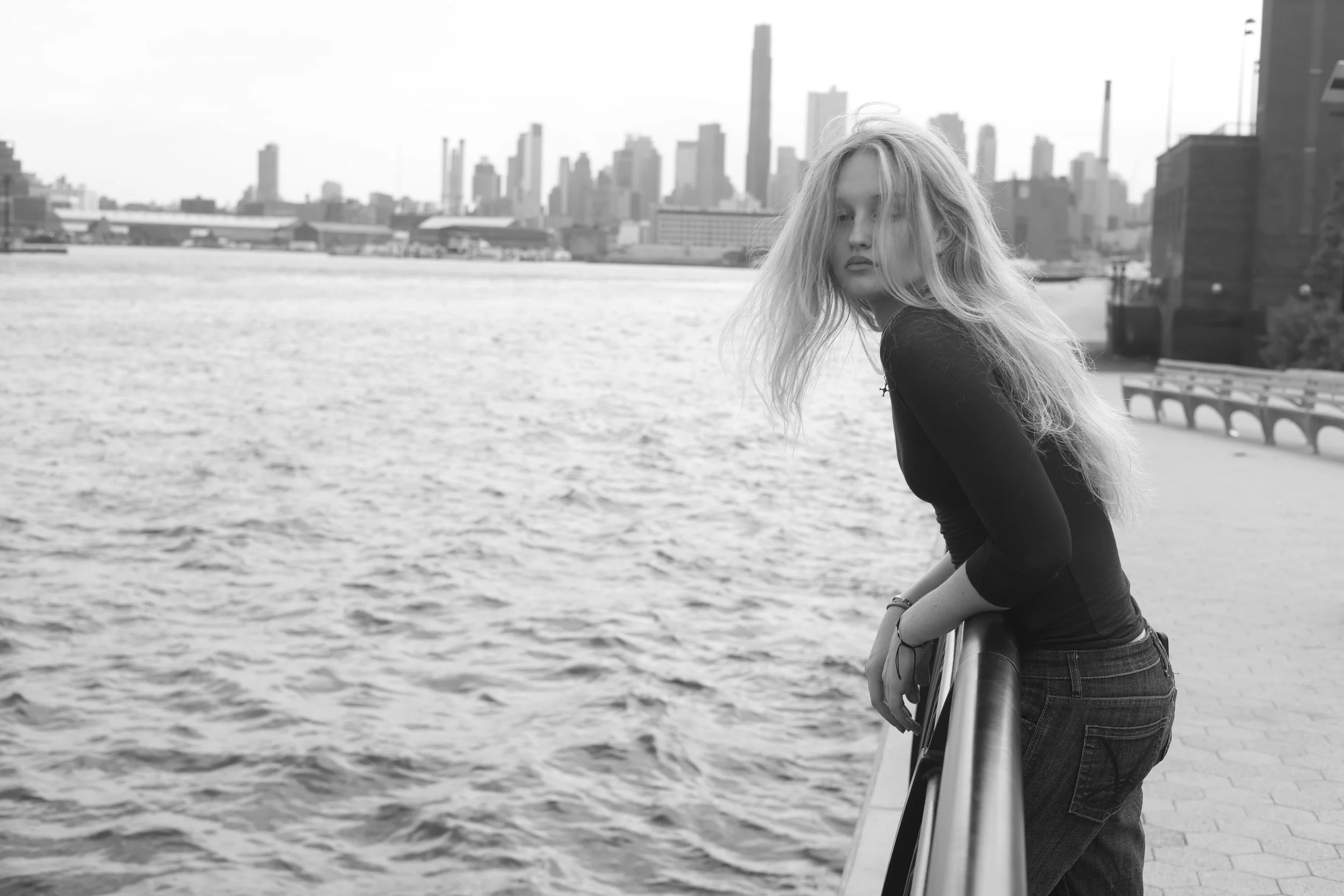
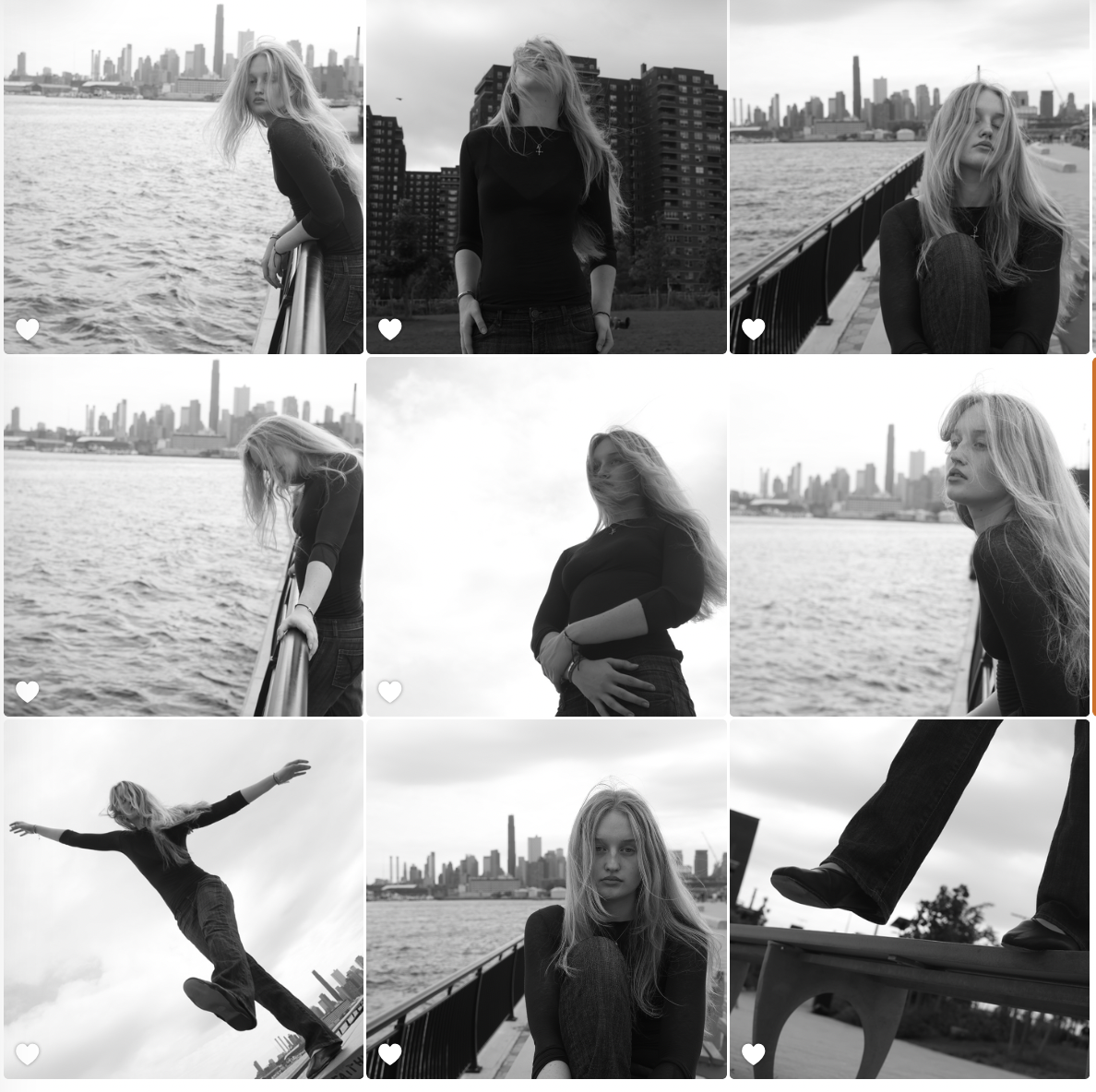
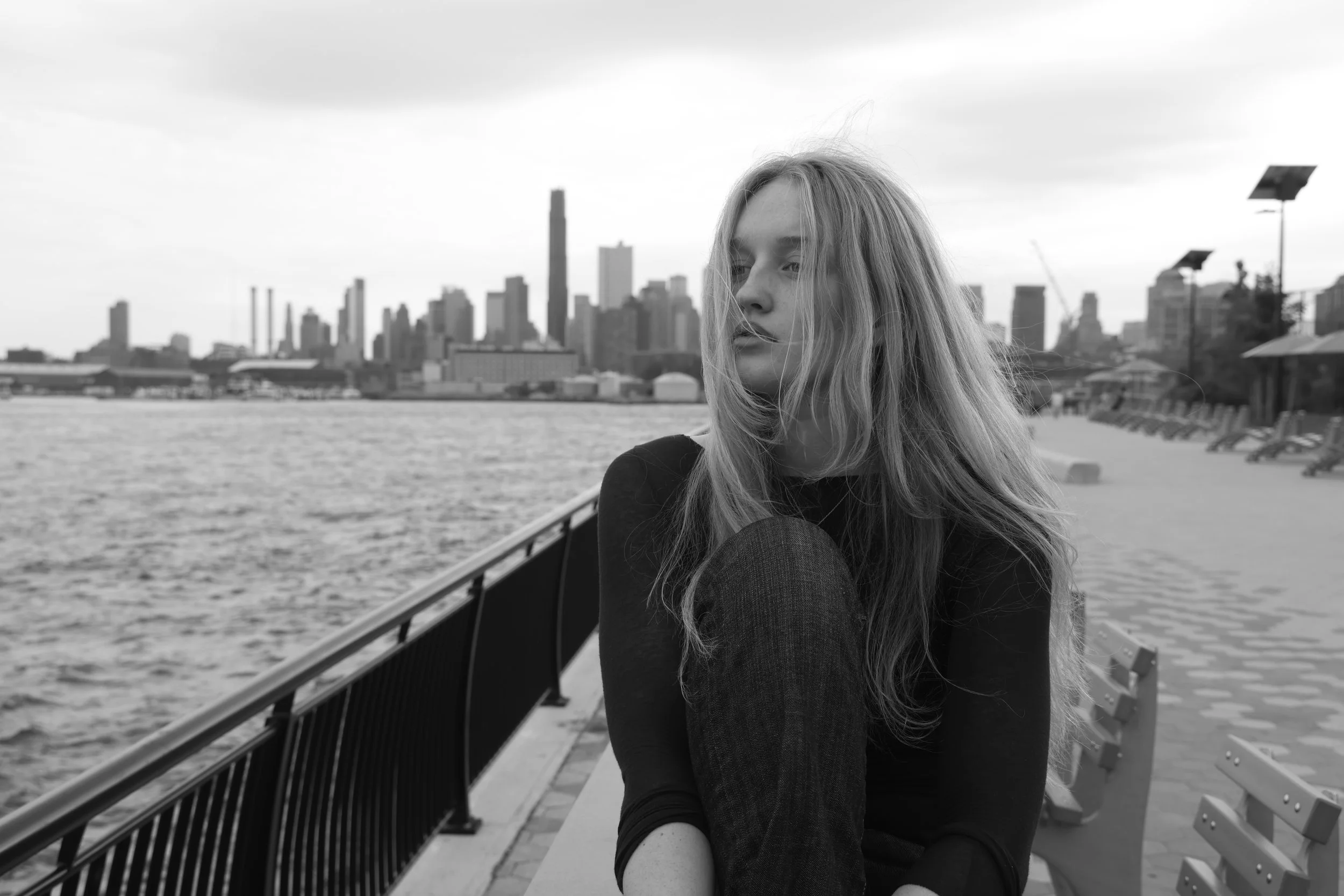
Yes, this is me. My first ever time being a ‘model’ for a friend of mine’s NYU photography course. The theme was FEAR, something I am not entirely sure you can read from my face due to the invigorating wind blowing on my face.
Photography has always fascinated me. From stealing my mother’s phone when I was a young girl to take what I thought would be the MOST artistic photos you have taken, to staging my friends for Instagram photos (a class experience).
My fascination with photography as a medium can be attributed to the dimensionality in which one immerses by partaking in it. You can be the person behind the camera, or be the person influencing the shot.
Photography began as a slow, alchemical marvel — silver salts, long exposures, and patient scientists coaxing light into permanence — and has since sprinted into every pocket and pixel of our lives. From Nicéphore Niépce’s grainy first view and Daguerre’s gleaming plates to the democratizing surge of roll film and the instant click of smartphones, the medium has always balanced chemistry and curiosity, craft and chance. It’s a language of light and time that compresses history into a frame, can sharpen memory or invent new myths, and invites both careful composition and joyous accident. Photographing is equal parts observation and translation: you choose what to include, what to leave in shadow, and how long to wait for truth to arrive. Playful and rigorous, intimate and civic, photography keeps teaching us to see — not just what’s there, but how it feels when light decides to tell the story.
Photography shapes culture by recording reality and changing how people see themselves and others. Smartphone cameras and social media make images the main way we get news, build identity, and express desire, speeding visual trends and changing norms about representation, privacy, and authenticity. Photos can spark movements by showing distant injustices, but they can also reduce complex issues to one misleading image. Commercial and editorial images set consumer tastes and beauty standards, while everyday photos, memes, and curated profiles reshape memory, community, and personal branding. As AI and editing tools advance, photos’ claim to objectivity is challenged, raising debates about trust, ethics, and who controls visual storytelling.